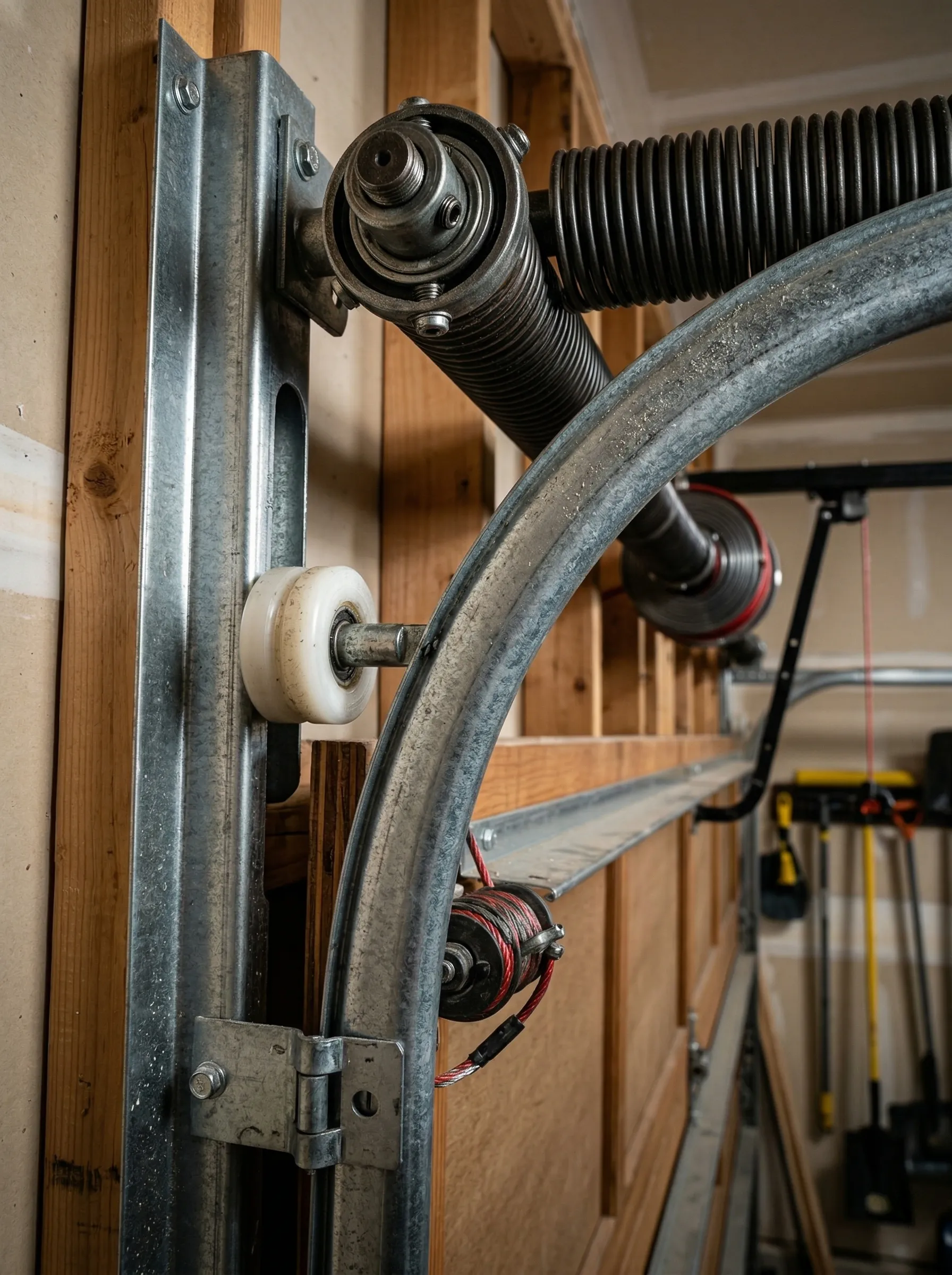




A garage door can start acting strange long before it fully breaks down. You may hear a rough sound in the morning, notice the door shaking, or see it dragging slightly as it opens. At first, it may seem like a small thing. But over time, worn rollers can put stress on the tracks, opener, hinges, and other moving parts. That is why a simple garage door roller inspection can help Santa Ana homeowners catch early problems before they turn into bigger repairs.
At Garage Door Dimension, we help homeowners understand what they can safely check on their own and when to call a professional. This guide does not teach you how to replace rollers yourself. Instead, it shows you how to inspect them visually, listen for warning sounds, and know when professional garage door repair makes more sense.
What to Do Before a Garage Door Roller Inspection
Before you look at the rollers, think about safety first. A garage door is heavy, and some parts hold strong tension. You can inspect the rollers with your eyes and ears, but you should not touch or remove parts near the tracks.
Stand inside the garage at a safe distance. Keep your hands away from rollers, hinges, cables, springs, and track openings. Then open and close the door while watching how it moves.
Stop the inspection if the door feels unsafe. If the door is crooked, stuck, too heavy, or moving unevenly, call for professional garage door repair Santa Ana homeowners can trust.
How to Inspect Garage Door Rollers Step by Step
Once you understand the safety limits, you can begin the inspection. Move slowly and pay attention to what the door is doing. Sometimes the roller problem shows up through sound. Other times, you can see the warning sign clearly.
Step 1: Watch How the Door Moves From a Safe Distance
Start by watching the door while it opens and closes. However, do not stand under the door. Stand to the side where you can see the tracks and rollers clearly.
Look for smooth, steady movement. Does the door glide evenly? Or does it jerk, drag, or shake?
If the door moves unevenly, the rollers may not be the only issue. The tracks, hinges, cables, springs, or opener may also need attention. Still, unusual movement is often one of the first signs that a roller inspection is worth doing.
Step 2: Look for Cracked, Chipped, or Worn Rollers
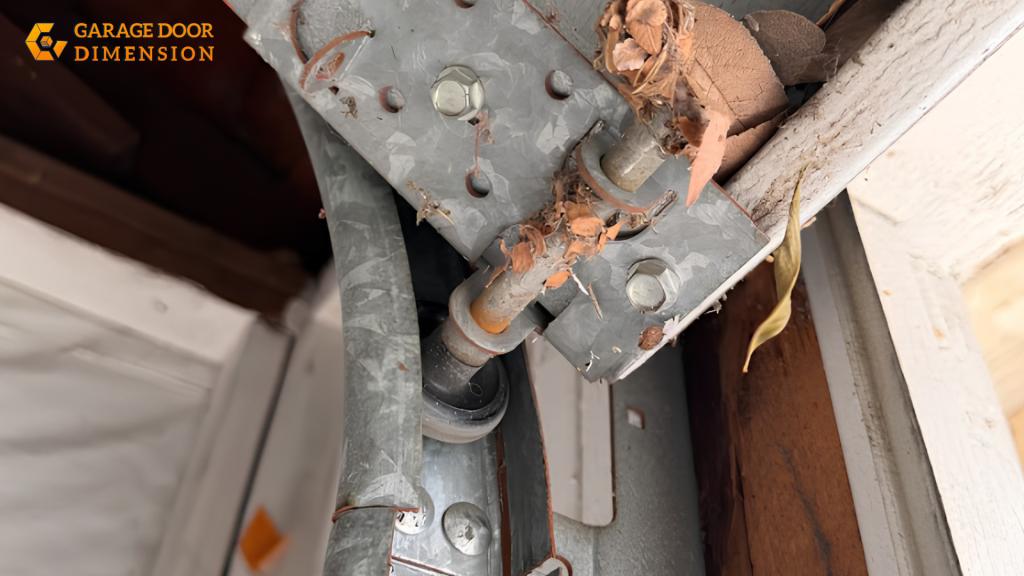
Next, look at each roller you can safely see. Some rollers are nylon, and others are metal. Both can wear down with age and daily use.
During your garage door roller inspection, check for cracks, chips, flat spots, or missing pieces. A cracked roller may not move smoothly through the track. Additionally, a worn roller may drag instead of roll.
If one roller looks damaged, others may also be wearing out. This is especially true if the door is older or gets used several times a day. At that point, a technician can check whether garage door roller replacement is needed.
Step 3: Check for Roller Wobbling Without Touching the Track
A healthy roller should move through the track without wobbling side to side. If a roller looks loose, tilted, or shaky, it may no longer guide the door correctly.
Do not grab the roller to test it. Just watch how it moves. If the roller shifts too much inside the track, the stem or hinge may be worn.
Ask yourself this: does the door look steady, or does one section shake more than the rest? If the movement looks uneven, schedule a professional inspection before the problem spreads.
Step 4: Listen for Grinding, Squeaking, or Rattling Sounds
Roller problems often make noise before they cause a breakdown. Listen while the door moves. Do you hear grinding, squeaking, rattling, scraping, or clicking near the tracks?
A little sound can happen with older garage doors, but loud or changing noises need attention. Grinding may mean the roller is dragging. Rattling may mean a part is loose. Scraping can point to track or roller trouble.
If the sound gets worse each week, do not ignore it. Early garage door maintenance can help protect the opener and track system from extra strain.
Step 5: Look for Loose or Tilted Roller Stems
The roller stem is the metal part that connects the wheel to the hinge. You do not need to know the technical details to spot a problem. Just look for anything that appears bent, loose, or tilted.
A loose stem can make the door shake as it moves. It can also place stress on the hinge and track.
If a roller stem looks out of place, do not try to straighten it yourself. A trained technician should inspect the hinge, roller, track, and door balance before making a repair.
Step 6: Notice If the Door Jumps, Drags, or Moves Unevenly
Finally, focus on the full movement of the door. Roller problems can make the door jump along the track or drag in certain spots.
Watch for these signs:
- The door jerks during opening.
- The door shakes near one side.
- The opener sounds strained.
- The door gets stuck halfway.
- The door moves slower than usual.
- One roller seems stuck instead of turning.
These signs do not always come from rollers alone. However, they do mean the garage door needs attention. A professional can find out whether you need garage door roller maintenance, roller replacement, or another type of residential garage door repair.
What Worn Garage Door Rollers Can Affect
Worn rollers can create more problems than many homeowners expect. When rollers stop moving smoothly, the opener may have to work harder to lift the door. The tracks may also experience additional pressure, while the hinges can become loose over time. As a result, the door may begin moving unevenly or become more difficult to operate.
That is why small roller issues should not wait too long. One bad roller can affect the way the entire door moves. Over time, the repair may become more expensive if other components start wearing down too.
A proper inspection helps you understand whether the issue is minor or whether the rollers are already affecting the system.
Garage Door Roller Inspection Checklist for Homeowners
Use this quick checklist during your visual inspection:
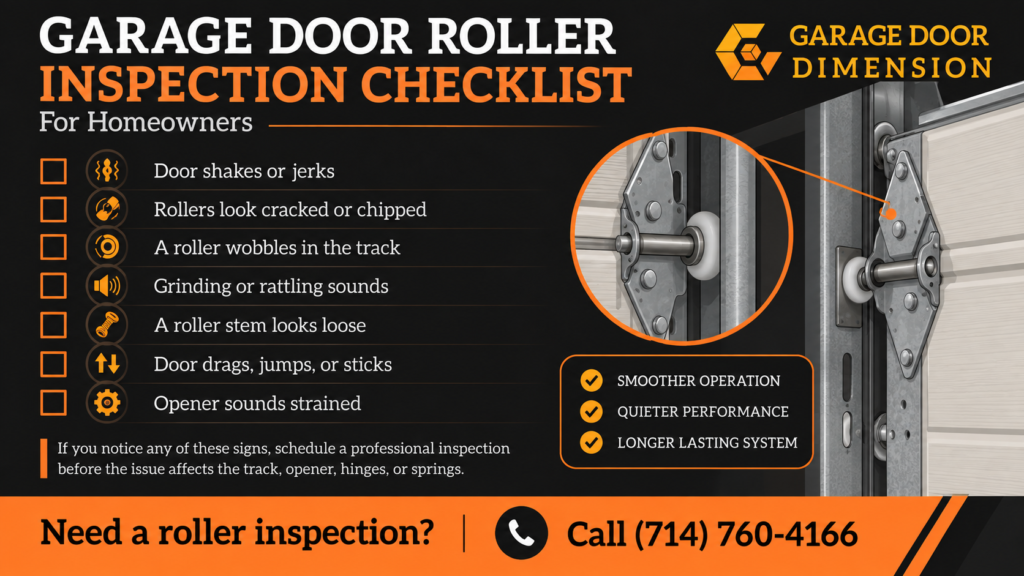
If you notice any of these signs, schedule a professional inspection before the roller issue affects the tracks, opener, hinges, or springs.
When to Call for Expert Garage Door Roller Inspection
A visual check can help you spot a problem, but it should not turn into a repair attempt. Contact Garage Door Dimension if you see cracked rollers, loose stems, severe wobbling, loud grinding, or uneven movement.
You should also call if the garage door feels heavy, drops too fast, comes off track, or will not stay open. These signs may involve springs, cables, or balance problems, which require trained service.
Professional garage door roller inspection gives you a safer answer. It also helps prevent one worn part from turning into a larger garage door repair.
Common Questions About Garage Door Rollers
How long do garage door rollers usually last?
Garage door rollers can last several years, but their lifespan depends on how often you use the door, the roller material, and how well the door is maintained. If your family uses the garage as the main entrance every day, the rollers may wear out sooner than expected.
Are nylon rollers better than metal rollers?
Nylon rollers usually run quieter than metal rollers, which many homeowners prefer for attached garages. Metal rollers can be durable, but they may create more noise as they age. The best choice depends on your door, budget, and how quiet you want the system to be.
Should garage door rollers be lubricated?
Some garage door rollers can benefit from proper lubrication, but not every roller should be treated the same way. Using the wrong product or applying too much can attract dust and buildup. During a professional garage door roller inspection, a technician can check whether lubrication or replacement makes more sense.
Can bad rollers damage my garage door opener?
Yes. When rollers drag, wobble, or stop moving smoothly, the opener may work harder than it should. Over time, that extra strain can shorten the opener’s life or cause it to struggle when lifting the door.
Should I replace all garage door rollers at the same time?
In many cases, replacing the full set makes more sense than replacing only one worn roller. If one roller has visible wear, the others may be close behind, especially on an older garage door. A technician can inspect the full set and recommend the safest option.
Use Garage Door Roller Inspection to Catch Problems Early
A simple garage door roller inspection can help you catch early warning signs before they affect the rest of the system. If the door shakes, drags, rattles, or looks uneven while moving, the rollers may already be putting extra strain on the tracks, hinges, opener, or springs.
The key is to inspect safely. You can look, listen, and watch how the door moves, but you should not remove rollers or adjust parts near the track on your own. If something looks cracked, loose, tilted, or unstable, professional service is the safer next step.
For Santa Ana homeowners, regular garage door maintenance can help keep the door moving smoothly through daily use, heat, dust, and normal wear. The sooner you catch worn rollers, the easier it may be to prevent more costly garage door repair later.
Schedule a Professional Garage Door Roller Inspection in Santa Ana
If your garage door sounds rough, shakes during movement, or no longer glides smoothly, do not wait for the problem to spread.
Garage Door Dimension helps Santa Ana homeowners with roller replacement, track service, hinge repair, opener repair, and routine garage door maintenance. Our licensed California technicians are located in the heart of Orange County, which helps us respond quickly and complete many standard services without long delays.
Need help before worn rollers cause more damage? Call Garage Door Dimension today at (714) 760-4166 for dependable garage door service in Santa Ana and nearby Orange County areas.



 I am a Garage Door Professional
  I am a Residential or Commercial Customer